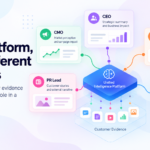

Four channels. One customer. One unresolved problem.
That’s not a horror story. That’s Tuesday at most mid-size companies.
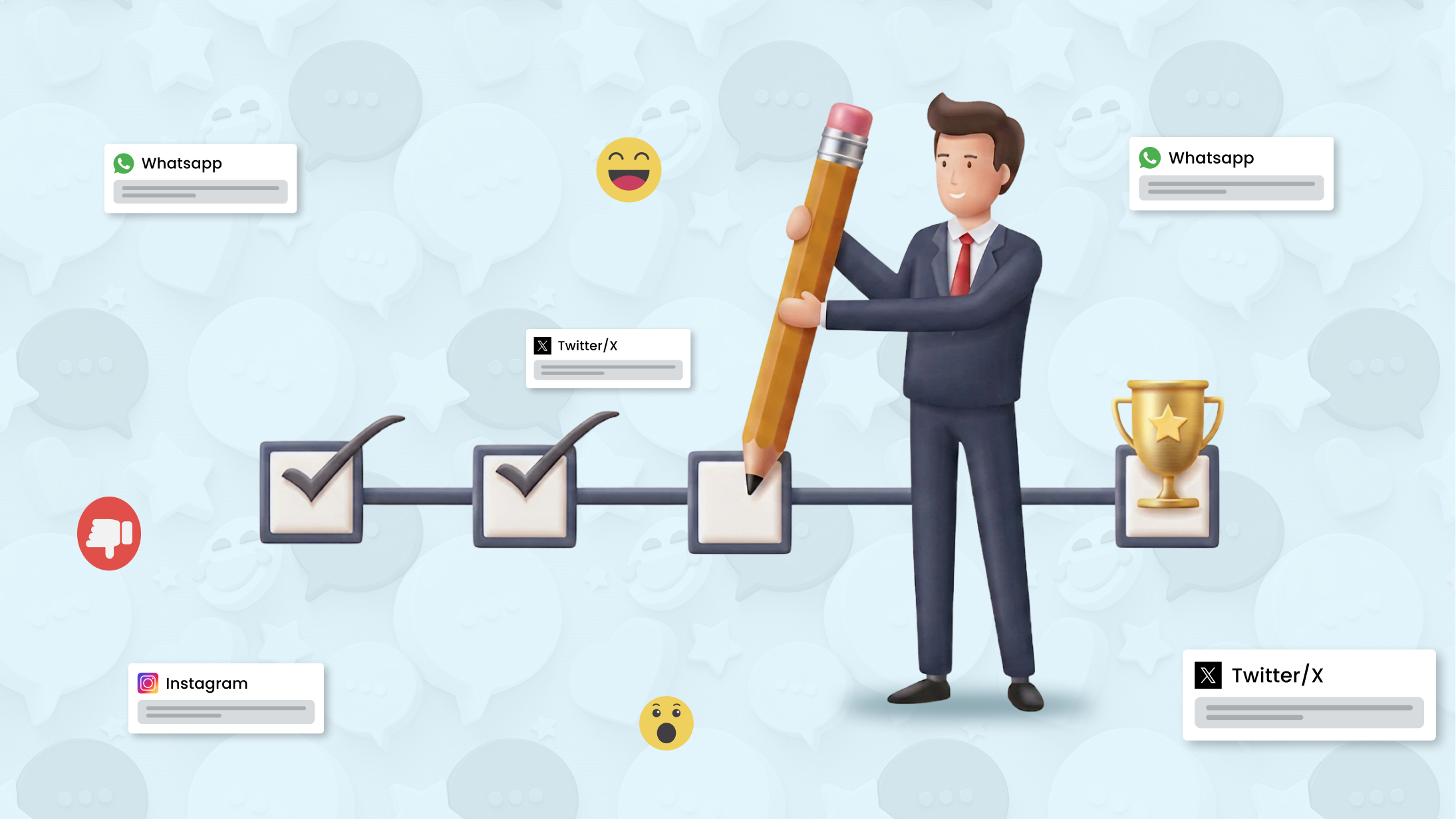
Someone finds your product on Instagram, decides to buy after reading Google reviews, runs into an issue, tweets about it, gets silence, sends a follow-up email, receives a ticket number, and then – nothing. The company’s social team is active. The support inbox is staffed. The email automation is running. None of these systems know about each other, and the customer is the one paying for that ignorance.
This is the gap between having a digital presence and having a digital experience. Most companies have the former. Far fewer have the latter. This guide is about the difference – what causes it, what closes it, and how to tell whether you’re actually making progress.
TL;DR:
Digital CX is every interaction a customer has with your brand across digital channels – discovery, purchase, complaint, all of it. Being on multiple channels is not the same as having a coherent experience. The gap that kills most digital CX strategies is disconnected data between teams, not missing technology. Strong digital CX reduces churn and support costs at the same time. Five things make it work: unified customer data, real-time signal capture, consistent execution across channels, automation that escalates properly, and a feedback loop that doesn’t close three days late.
What digital customer experience actually is
Start here, because the working definition most teams use is too narrow.
Digital CX isn’t just your website and app. It’s every interaction a customer has with your brand on any digital surface – website, app, social media, chat, email, review platforms, messaging apps, forums they never told you about. Both directions. The support ticket they raise and the push notification you send. Both count.
The narrower definition causes real problems. A team that thinks their digital CX is their website doesn’t monitor the Google review that shaped the buying decision. Doesn’t see the WhatsApp message that sat unread for 48 hours. Doesn’t know about the Twitter thread that three thousand people saw.
And it’s not the same thing as omnichannel
Worth separating these clearly.
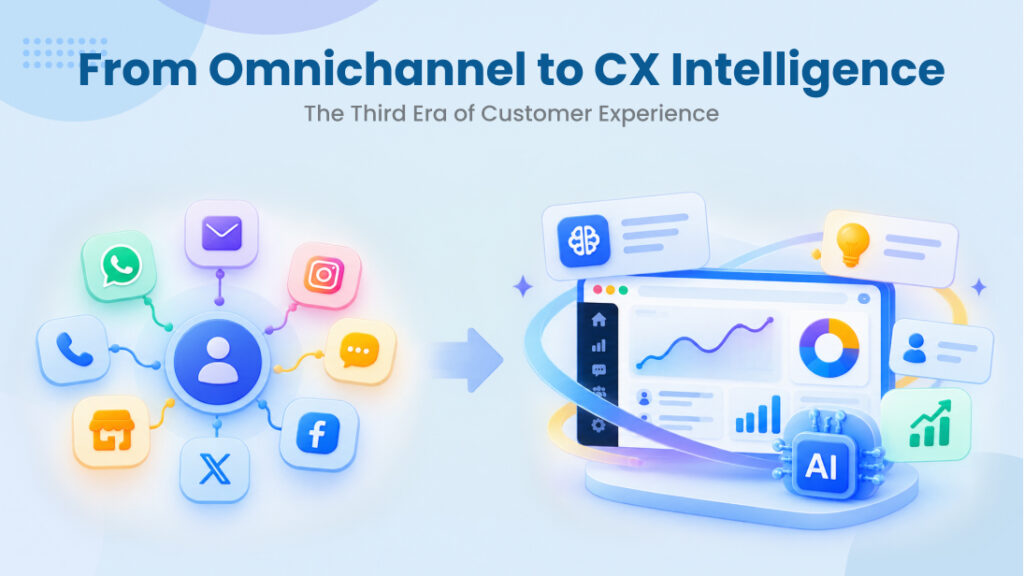
Omnichannel is a presence question. Which channels are we on? Digital CX is an experience question. Does being on those channels actually feel connected to the person using them?
You can be on eight channels and deliver a poor digital experience if none of them share data. Customers don’t have channel strategies. They have outcomes they’re trying to reach. Your job is to get out of the way of those outcomes – not add more places where context gets lost.
Why this matters commercially, not just brand-wise
73% of customers say experience drives their purchasing decisions [PwC, 2024]. That maps to unit economics, not brand metrics.
Better digital CX means fewer abandoned carts – because the friction gets found and fixed before customers hit it. Fewer repeat contacts – because problems get resolved rather than logged. Lower cost-to-serve – because customers who can self-serve through connected digital channels don’t need to call. More repeat purchases – because the post-sale experience is good enough to earn them.
None of that is soft. All of it is measurable.
The other side of this: poor digital CX produces silent churn. That’s the version that compounds before you notice it. Customers who have a bad experience often don’t complain. They leave, write a review somewhere you’re not watching, tell people, and disappear from your retention data a quarter later.
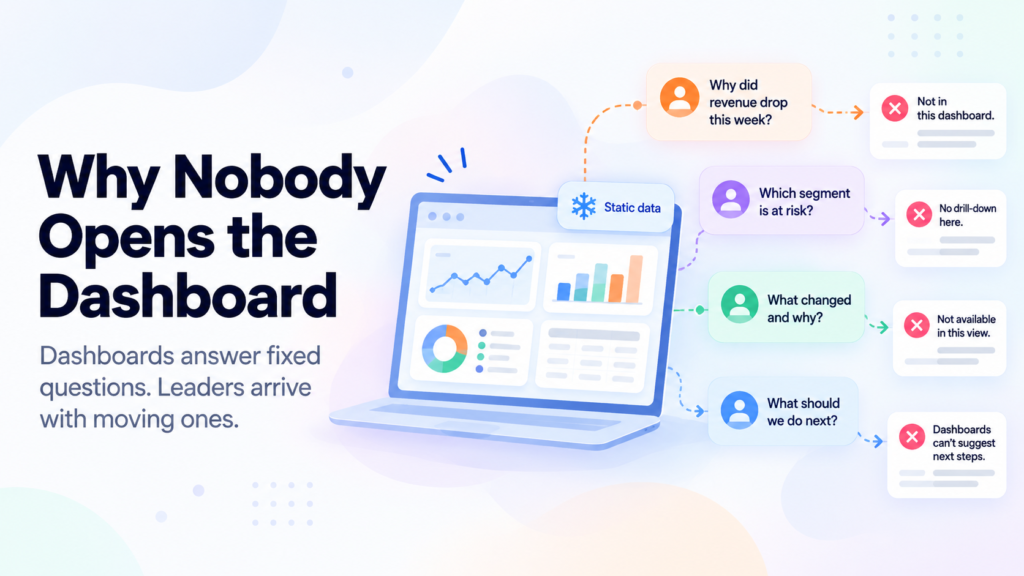
By the time the NPS dip shows up in a quarterly review, the damage has already run for months. The brands that catch this early track more than CSAT. They watch sentiment signals, review volume, ticket escalation rates – together, not in separate dashboards.
Where most digital CX strategies actually break
Not the obvious failures. The structural ones.
The data is split between teams who don’t talk
Support doesn’t know what the marketing campaign promised. Sales can’t see the service history before a renewal call. Social and support run on separate systems with no shared customer record.
Every time a customer crosses a team boundary, they start over. They explain the problem again. They give their order number again. From the customer’s perspective, the company has no memory.
This is an accountability failure more than a technology failure. Nobody owns the customer record across the full lifecycle. Everyone owns a piece of it and optimizes for that piece.
Personalization that’s really just segmentation
Most brands personalize by cohort. Every loyalty member gets the same email. Every abandoned cart triggers the same sequence. Every “at-risk” customer gets the same outreach.
That’s not personalization. It’s segmentation with a first name injected.
A customer who just raised a complaint should not receive a promotional email that afternoon. A customer whose last four contacts were about billing shouldn’t get a delivery satisfaction survey. The signals are already in the system. Most platforms just aren’t reading them across channels in real time.
Automation that moves the frustration, not the problem
Chatbots with no escalation path. IVR trees that loop. Automated follow-up emails that fire after the ticket is already closed, asking the customer to rate an experience they haven’t finished having yet.
This is the version I find most frustrating to audit, because the intent is usually genuine – reduce load on agents, speed up resolution. The outcome is the opposite. The customer who can’t get past the chatbot calls the helpline instead. Now you’ve created two contacts instead of one.
Real test for any automation: does this reduce the customer’s effort, or does it reduce the company’s? If it’s the latter, it’s cost-cutting wearing a CX label.
How to build digital CX that actually holds
Step 1: Unify customer data before adding channels
Every interaction should update a single profile that every team can read. Without this, personalization is built on fragments, and the seams show every time someone crosses a team boundary.
Diagnostic question: can your support agent see a customer’s full social complaint history before picking up their call? If not – that’s the gap. That’s where to start. Not with a new channel. Not with a new platform. With this.
Step 2: Map journeys by what the customer is trying to do, not by channel
Stop drawing “the Twitter journey” and “the email journey” as separate diagrams. Draw “the complaint resolution journey” and mark every channel it touches.
A billing dispute that starts on Twitter, moves to chat, and ends on the phone is one journey with three channels. The experience breaks at the handoffs – Twitter to chat, chat to phone. Those seams are where context drops. Design the seams as carefully as the channels.
Step 3: Automate the predictable; escalate the complex
Order tracking, FAQ responses, ticket routing by complaint type. These are fine to automate. They’re predictable and low-judgment.
What automation cannot do: replace judgment on a sensitive complaint, decide whether a frustrated customer needs empathy before a solution, or determine that a pattern of contacts from the same customer warrants a proactive outreach.
Clear escalation paths matter here. Not just “escalate to agent.” Escalate to the right agent with the right context already loaded. That’s where automation and experience quality meet.
Step 4: Close the feedback loop in the moment, not three days later
Post-resolution sentiment prompts. In-app ratings. Real-time social listening. These capture something a survey sent on Thursday about an interaction from Monday cannot: how the customer felt when the experience was still fresh.
Unstructured feedback is underrated. A customer who writes “I had to explain the same thing four times” in a Google review has given you a specific, actionable diagnostic. A 1-5 star rating without context hasn’t. Build your measurement stack to capture both – the score and the language.
Step 5: Audit infrastructure on a schedule
Not just when something visibly breaks.
Page load speed, form error handling, payment failure recovery, chatbot fallback logic, CRM handoff accuracy – digital CX deteriorates in the plumbing before it deteriorates at the surface. A checkout flow that worked cleanly 14 months ago may have three new failure points now from integrations and platform updates nobody documented.
Customers find these first. Regular infrastructure audits find them earlier.
What to measure – and what to stop over-relying on
Most brands measure CSAT and stop. That’s one number in a much more useful picture.
| What to measure | Metric | Why it matters |
| Satisfaction | CSAT, NPS, CES | Perceived experience quality at key moments |
| Journey health | Drop-off rate, task completion | Finds friction in specific flows |
| Engagement depth | Repeat visits, feature adoption | Shows whether the experience delivers value |
| Sentiment | Social mentions, review scores, ticket tone | Catches deterioration before surveys do |
| Operational health | Page speed, bot containment rate, FCR | Links back-end performance to front-end experience |
| Business impact | Churn rate, repeat purchase, LTV | Ties CX investment to revenue |
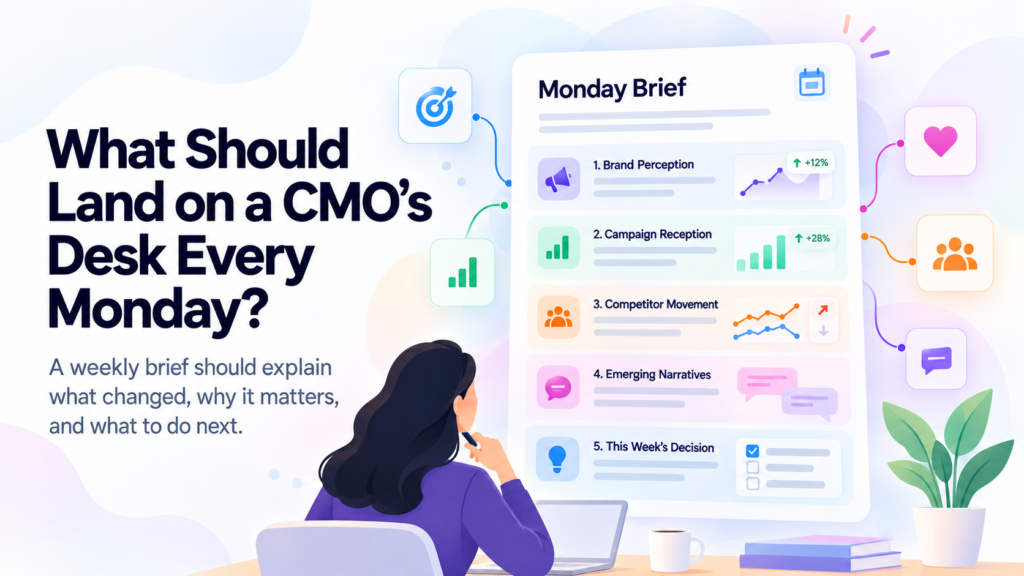
Prioritise journey-level metrics. Repeat contact rate within seven days of resolution. Drop-off rate in specific flows. Time from first digital touch to full resolution across all channels. These tell you whether the experience actually worked – not just whether the channel looked healthy.
The brands with genuinely strong digital CX correlate sentiment signals with operational data. A spike in negative reviews gets traced to a specific page error or a new IVR flow – not just logged as “sentiment worsening this month.”
Where Konnect Insights fits in
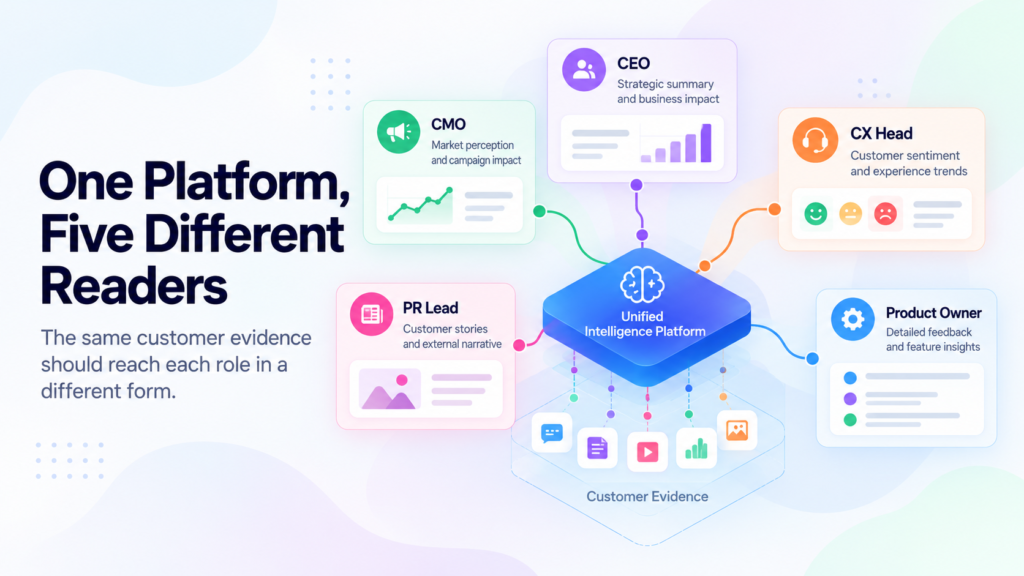
Not as another channel to manage. As the connective layer between the ones you already have.
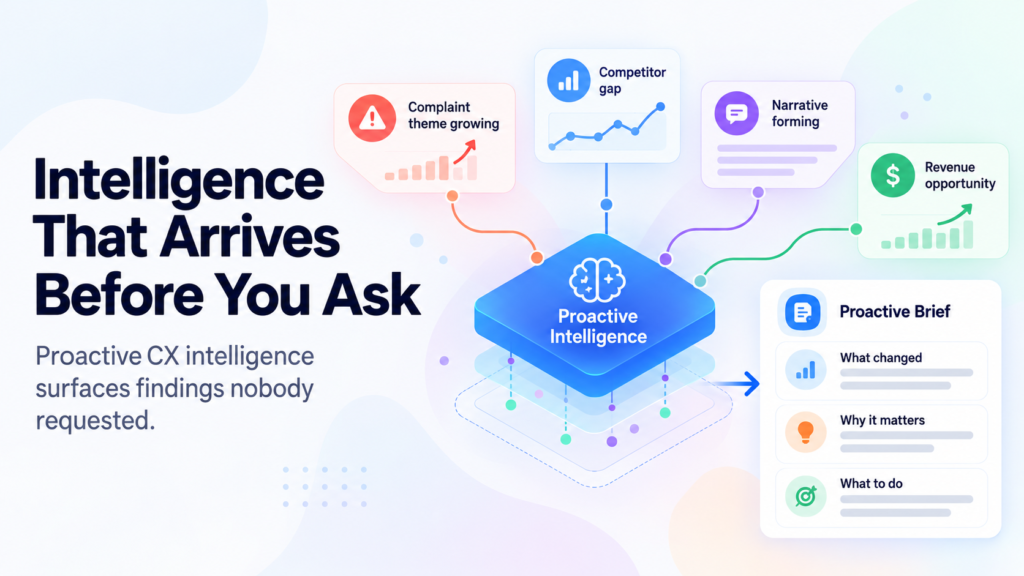
Social listening across 20+ channels captures unsolicited customer sentiment in real time. When a product issue starts trending in a consumer forum before anyone files a support ticket, you catch it before it compounds. That’s signal the support inbox will never surface.
Unified omnichannel ticketing gives every agent the customer’s full interaction history before they respond. The phone agent sees the tweet. The chat transcript. The email thread. The customer doesn’t explain again. The agent doesn’t work blind.
BI dashboards and sentiment reporting let CX leaders track experience quality by channel, category, and team – without waiting for a monthly export, without manually aggregating across five tools.
The honest version of where this leaves you
The companies doing digital CX well in 2026 aren’t the ones with the most channels. Or the newest platforms.
They’re the ones where data moves freely between teams. Where a customer gets recognised across touchpoints rather than reintroduced every time. Where problems get caught before the customer has to raise them twice.
That’s not a technology achievement. It’s an organizational one, supported by technology. And it starts with a much simpler question than most digital transformation roadmaps ask: where exactly does context drop between our teams, and who owns fixing that seam?
Answer that honestly. Build from there.
Frequently Asked Questions
Author