 Skip to content
Airlines Industry Monthly CXM Report: December 2025

December was an intense and unforgiving month for the aviation sector. Travel volumes surged sharply, driven by year-end holidays and peak-season movement, and customer expectations rose just as fast. While airlines remained visible and responsive, the overall experience deteriorated under pressure, leading to one of the weakest sentiment readings of the year.
Engagement softened to 7.18%, suggesting that customers were less interested in conversation and more focused on outcomes. At the same time, ticket volumes spiked dramatically, pushing service teams into a reactive mode. December exposed how quickly aviation CX can unravel when demand outpaces resolution capacity.
KPI Snapshot
| KPI | Value |
| Follower Growth | 5.34% |
| Engagement Rate | 7.18% |
| Post Frequency (per day) | 4.51 |
| First Response Time (FRT) | 1 hour, 36 minutes |
| Average Resolution Time | 18 hours, 20 minutes |
| Net Promoter Score (NPS) | -74.42% |
| Average Daily Tickets | 993 |
CXM Diagnosis
Airlines continued to acknowledge customers quickly. A first response time under 2 hours shows strong monitoring and frontline activity, even at scale. However, this was not enough to offset what followed. With nearly 1,000 tickets per day, resolution pipelines slowed, and issues remained open far longer than passengers were willing to tolerate.
The NPS of -74.42% signals severe frustration. Customers were not judging airlines on politeness or speed of reply, but on reliability during disruptions. Long resolution times, missed expectations, and repeated follow-ups defined the experience. December made it clear that acknowledgment without closure does little to protect trust during peak travel periods.
What’s Driving Customer Frustration or Sentiment
- Flight delays and cancellations with limited real-time updates
- Long waits for rebooking, refunds, and compensation
- Baggage issues escalating during peak travel days
- Customers having to follow up multiple times for the same case
- Positive reactions when proactive disruption updates were shared early
CX Priorities for January
- Strengthen surge planning for peak travel periods
- Reduce resolution time for disruption-related tickets to same-day closure
- Improve proactive communication during delays and cancellations
- Empower frontline teams to resolve common issues without escalation
- Use post-journey feedback to identify breakdowns during peak operations
Final Word
December reinforces a hard truth for aviation CX. Peak demand does not excuse poor experience. When travel matters most, customers remember how brands show up under pressure. The airlines that recover fastest in the new year will be those that invest in resolution strength, not just response speed, and treat disruption handling as a core part of the customer journey.

Automobile Industry Monthly CXM Report: December 2025

December was a high-intensity month for the automotive sector. Customer interest remained strong, driven by year-end purchases, delivery timelines, and service-related queries. Engagement stayed elevated, showing that customers were actively interacting with brands. At the same time, higher ticket volumes put sustained pressure on CX teams, testing their ability to balance responsiveness with resolution quality.
Despite the seasonal surge, service performance held up reasonably well. Customers were acknowledged within the same day, and most issues were resolved without excessive delay. Sentiment remained positive, though not without signs of strain as expectations rose during peak demand.
KPI Snapshot
| KPI | Value |
| Follower Growth | 2.22% |
| Engagement Rate | 27.05% |
| Post Frequency (per day) | 4.88 |
| First Response Time (FRT) | 6 hours, 20 minutes |
| Average Resolution Time | 14 hours, 56 minutes |
| Net Promoter Score (NPS) | 12.52% |
| Average Daily Tickets | 602 |
CXM Diagnosis
A 27.05% engagement rate highlights strong customer involvement, particularly around bookings, deliveries, service schedules, and year-end offers. The 6-hour first response time reflects steady monitoring, though customers in high-intent moments often expect faster acknowledgment.
Resolution timelines staying under 15 hours helped prevent widespread dissatisfaction, even with 600+ daily tickets. The NPS of 12.52% suggests cautious satisfaction. Customers are generally comfortable with outcomes, but the experience still feels effort-heavy during busy periods. Delays, even when reasonable, become more noticeable when customers are making high-value decisions.
What’s Driving Customer Frustration or Sentiment
- Delays in responding to delivery status and service booking queries
- High dependency on dealerships for final resolution
- Inconsistent updates during vehicle handover or servicing
- Customers needing to follow up for confirmation or documentation
- Positive sentiment when communication is proactive and timelines are clearly explained
CX Priorities for January
- Reduce first response time for purchase and delivery-related queries
- Improve coordination between brand teams and dealership networks
- Share proactive updates during service delays or inventory constraints
- Streamline workflows for high-frequency queries during peak periods
- Use NPS feedback to identify friction points in the ownership journey
Final Word
December shows the automotive sector holding steady under pressure. Customer interest is strong, and service outcomes are largely positive, but patience is thinner during peak buying cycles. The brands that improve next month will be those that communicate earlier, coordinate better, and make high-stakes interactions feel smooth and predictable from start to finish.

Insurance Industry Monthly CXM Report: December 2025
Insurance CX performance in December shows a low-volume environment with slow operational response but relatively stable customer sentiment. Customers are not overwhelmingly dissatisfied, yet the experience is far from efficient or reassuring.
The data points to a sector where expectations may already be tempered. Customers appear willing to tolerate delays, but that tolerance has limits, especially when resolution cycles stretch across multiple days.
KPI Snapshot
| KPI | Value |
| Follower Growth | 0.33% |
| Engagement Rate | 5.4% |
| Post Frequency (per day) | 1.49 |
| First Response Time (FRT) | 8 hours, 8 minutes |
| Average Resolution Time | 1 day, 16 hours, 58 minutes |
| Net Promoter Score (NPS) | 21 |
| Average Daily Tickets | 9.91% |
| Average SLA Response Time | 2 days, 6 hours, 2 minutes |
CXM Diagnosis
Ticket volumes are very low, which should allow for depth and care in handling each case. However, both first response and resolution times are significantly extended, suggesting process friction rather than capacity issues.
The positive NPS indicates that customers who do get resolved may feel adequately supported. This implies that outcome quality is acceptable, but the path to resolution is slow and effort-heavy.
What’s Driving Customer Frustration or Sentiment
Insurance interactions often involve claims, documentation, and eligibility clarity. Delays at any stage increase anxiety, even if the final outcome is reasonable. Long SLA response times signal a lack of urgency that can undermine confidence during critical moments.
Higher engagement compared to follower growth suggests customers are actively seeking answers, not passively consuming content. This reinforces the idea that interaction is driven by need, not trust.
CX Priorities for Next Month
Reducing response and resolution timelines should be the primary focus. Even modest improvements in acknowledgment speed can significantly improve perceived control and transparency.
Clearer status updates during long-running cases will also matter. When resolution takes time, customers need visibility into progress, not silence.
Final Word
Insurance CX in December reflects acceptable outcomes delivered too slowly. Low volume provides an opportunity to fix process gaps without scale pressure. Improving timeliness without sacrificing accuracy is the fastest path to stronger customer confidence.

Banking Industry Monthly CXM Report: December 2025
Banking & Finance CX performance in December shows a stable but cautious environment. Customer activity is steady, response acknowledgment is timely, but sentiment remains negative, pointing to unresolved confidence gaps rather than operational overload.
The data suggests customers are being heard reasonably quickly, yet the experience is not leaving them reassured. Trust, not speed, continues to be the limiting factor.
KPI Snapshot
Metric | Value |
Follower Growth | 0.75% |
Engagement Rate | 3.31% |
Post Frequency (per day) | 2.52 |
Average First Response Time (FRT) | 1 hour, 1 minute |
Average Daily Tickets | 69 |
Net Promoter Score (NPS) | -17.36% |
CXM Diagnosis
Ticket volume is low to moderate, giving teams enough room to focus on resolution quality. First response time is strong, indicating effective acknowledgment and monitoring.
However, the negative NPS shows that customers are not leaving interactions with confidence. This points to issues in resolution depth, clarity, or perceived fairness rather than response speed or scale constraints.
What’s Driving Customer Frustration or Sentiment
Banking customers typically reach out during moments of uncertainty involving transactions, access, or compliance. Fast acknowledgment helps, but it does not replace clear explanations and decisive outcomes.
The gap between reasonable response speed and negative sentiment suggests customers may be experiencing partial resolutions, repeated follow-ups, or unclear next steps, all of which undermine trust.
CX Priorities for Next Month
The focus should shift from acknowledgment to assurance. Improving resolution clarity, strengthening agent authority, and reducing repeat contact will have the greatest impact on sentiment.
Proactive communication around common issues and clearer confirmation once a case is resolved can also help rebuild confidence without increasing response pressure.
Final Word
December’s Banking & Finance CX performance shows a system that responds quickly but reassures poorly. Trust is built at the point of resolution, not response. Closing that gap is the key to improving sentiment.

Consumer Packaged Goods (CPG) Industry Monthly CXM Report: December 2025

Consumer Goods CX performance in December reflects steady demand-side engagement but uneven service execution. Customer activity remains consistent, yet long response windows and extended resolutions are weakening confidence in support outcomes.
The data shows a clear mismatch between customer expectations and service delivery. Customers are reaching out at scale, but the experience feels slower and more effort-heavy than it should for everyday consumer issues.
KPI Snapshot
| KPI | Value |
| Follower Growth | 1.53% |
| Engagement Rate | 3.03% |
| Post Frequency (per day) | 1.89 |
| First Response Time (FRT) | 18 hours, 20 minutes |
| Average Resolution Time | 1 day, 4 hours, 19 minutes |
| Net Promoter Score (NPS) | 3.77% |
| Average Daily Tickets | 67 |
| Average SLA Response Time | 1 hour, 48 minutes |
| Average SLA Resolution Time | 1 day, 12 hours, 26 minutes |
CXM Diagnosis
Ticket volumes indicate sustained operational pressure, but not overload. The long first response time suggests delays in acknowledgment rather than resolution capacity. This early silence sets a negative tone for the entire interaction.
Resolution timelines remain lengthy even after acknowledgment, pointing to handoffs, dependency on back-end teams, or unclear ownership. The near-neutral NPS confirms that customers are not strongly dissatisfied, but they are not impressed either.
What’s Driving Customer Frustration or Sentiment
Consumer Goods issues are typically transactional and time-sensitive. Delivery concerns, product defects, or return queries lose tolerance quickly when responses take close to a full day.
The gap between SLA targets and actual experience likely creates inconsistency. When customers expect a response within hours but experience much longer waits, trust declines even if the issue is eventually resolved.
CX Priorities for Next Month
Improving first response speed should be the immediate priority. Faster acknowledgment reduces anxiety and sets expectations, even if resolution requires time.
Simplifying resolution workflows and reducing internal handoffs can also shorten overall resolution time. Clear ownership and standardized responses for common issues will help stabilize sentiment under steady ticket volume.
Final Word
December’s Consumer Goods CX performance shows adequate demand engagement but slow service execution. Customers are willing to engage, but patience is limited. Closing the gap between expectation and delivery will be critical to converting neutral sentiment into trust.
Fast-Moving Consumer Goods (FMCG) Beverage Industry Monthly CXM Report: December 2025
FMCG CX performance in December reflects high operational pressure combined with strained customer sentiment. Engagement remains healthy and ticket volumes are substantial, but service execution is not keeping pace with demand.
The data shows a classic scale challenge. Customers are reaching out frequently, yet delays in acknowledgment and resolution are eroding trust and amplifying frustration across high-frequency touchpoints.
KPI Snapshot
| KPI | Value |
| Follower Growth | 1.01% |
| Engagement Rate | 5.98% |
| Post Frequency (per day) | 3.7 |
| First Response Time (FRT) | 13 hours, 24 minutes |
| Average Resolution Time | 13 hours, 54 minutes |
| Net Promoter Score (NPS) | -23.53% |
| Average Daily Tickets | 424 |
| Average SLA Response Time | 28 minutes |
| Average SLA Resolution Time | 21 hours, 47 minutes |
CXM Diagnosis
The volume of daily tickets indicates sustained and intense customer demand. At this scale, consistency and speed become critical. However, first response times are far slower than SLA expectations, signaling breakdowns in intake, routing, or staffing alignment.
Resolution time is comparatively shorter than response delay, suggesting teams can solve issues once engaged. The negative NPS confirms that customers judge the experience by the wait, not just the outcome.
What’s Driving Customer Frustration or Sentiment
FMCG issues are typically urgent and repetitive. Missing products, quality complaints, and delivery problems demand quick acknowledgment. When customers wait over half a day to be noticed, frustration compounds rapidly.
The mismatch between promised SLA response times and actual experience creates distrust. Customers feel ignored before they feel helped, which heavily skews sentiment even if the issue is later resolved.
CX Priorities for Next Month
Improving first response speed must be the top priority. Automated acknowledgment, better queue visibility, and load balancing can reduce early-stage delays without requiring full resolution.
At the same time, issue categorization and self-serve resolution for high-volume queries can reduce pressure on agents. Stabilizing intake will be key to improving sentiment at scale.
Final Word
December’s FMCG CX performance shows the cost of delayed acknowledgment in high-volume environments. When demand is constant, speed is not a bonus. It is the baseline for trust.

Real Estate Industry Monthly CXM Report: December 2025

Real Estate CX performance in December shows strong audience engagement and generally positive sentiment, but slower front-line responsiveness is diluting the overall experience. Customers are interested and willing to interact, yet the pace of acknowledgment does not match that intent.
The data reflects a sector where outcomes are acceptable, even favorable, but the journey to reach those outcomes feels longer than necessary. This gap matters in high-consideration decisions where responsiveness signals credibility.
KPI Snapshot
| KPI | Value |
| Follower Growth | 1.17% |
| Engagement Rate | 10.05% |
| Post Frequency (per day) | 2.74 |
| First Response Time (FRT) | 16 hours, 27 minutes |
| Average Resolution Time | 1 day, 6 hours, 28 minutes |
| Net Promoter Score (NPS) | 16.79% |
| Average Daily Tickets | 31 |
| Average SLA Response Time | 4 minutes |
| Average SLA Resolution Time | 6 hours, 1 minute |
CXM Diagnosis
Engagement levels are high, indicating strong interest and active inquiry from potential and existing customers. Ticket volume remains moderate, suggesting teams are not under heavy load.
However, the actual first response time is significantly slower than SLA expectations. This points to gaps in monitoring, routing, or staffing coverage rather than capability. Once engaged, resolutions do occur, but the initial delay weakens momentum and confidence.
What’s Driving Customer Frustration or Sentiment
Real Estate customers value timeliness almost as much as accuracy. Delayed acknowledgment on inquiries related to pricing, availability, or site visits can feel like lost opportunity rather than simple inconvenience.
The positive NPS suggests that when conversations progress, customers feel reasonably supported. This indicates that agent quality and resolution clarity are working, but only after the initial wait.
CX Priorities for Next Month
Closing the gap between SLA targets and actual response times should be the top priority. Faster acknowledgment will better align with customer urgency and preserve intent.
Proactive responses to common inquiries and clearer ownership of incoming tickets can also reduce early delays. Maintaining resolution quality while improving responsiveness will have an outsized impact on trust.
Final Word
December’s Real Estate CX performance shows healthy interest and improving sentiment, held back by slow initial responses. Speed at the start of the journey will determine whether engagement converts into confidence.

Gaming Industry Monthly CXM Report: December 2025

Gaming CX performance in December reflects extremely high customer activity paired with intense operational pressure. Audiences are deeply engaged and highly responsive, but sentiment remains fragile under the weight of volume and expectation.
The data shows a community that is vocal, reactive, and fast-moving. When experience quality slips even slightly, dissatisfaction surfaces quickly, regardless of how fast issues are resolved.
KPI Snapshot
KPI | Value |
Follower Growth | 1.26% |
Engagement Rate | 165.78% |
Post Frequency (per day) | 7.63 |
First Response Time (FRT) | 4 hours, 23 minutes |
Average Resolution Time | 4 hours, 22 minutes |
Net Promoter Score (NPS) | -2.56% |
Average Daily Tickets | 939 |
CXM Diagnosis
Ticket volume is extremely high, indicating constant inflow of player issues, feedback, and complaints. Response and resolution times are relatively fast given the scale, showing strong operational execution under pressure.
However, speed alone is not stabilizing sentiment. The slightly negative NPS suggests that while issues are handled quickly, outcomes may feel inconsistent, incomplete, or unfair from a player’s perspective.
What’s Driving Customer Frustration or Sentiment
Gaming customers have low tolerance for friction. Issues related to gameplay, rewards, purchases, or account access carry immediate emotional weight. Even short delays or unclear explanations can feel disruptive.
The exceptionally high engagement rate indicates reactive interaction rather than positive advocacy. Players are responding, commenting, and escalating issues publicly, which amplifies dissatisfaction even when resolution times are reasonable.
CX Priorities for Next Month
Consistency in resolution quality should be the focus. Clear policies, transparent explanations, and predictable outcomes matter more than shaving minutes off response time.
Proactive communication around known issues, outages, or updates can also reduce reactive ticket spikes. When players feel informed, they are less likely to escalate frustration.
Final Word
December’s Gaming CX performance shows impressive operational speed under extreme demand, but trust remains unstable. In highly emotional, always-on environments, experience quality is judged as much by fairness and clarity as by speed.

Healthcare Industry Monthly CXM Report: December 2025
Healthcare CX performance in December reflects a relatively balanced system where responsiveness, resolution quality, and customer sentiment are broadly aligned. Customers appear to feel supported, even when interactions require time and follow-up.
The data indicates a sector where expectations are high, but trust is being maintained. Response and resolution speeds are not instant, yet outcomes are strong enough to sustain positive sentiment.
KPI Snapshot
| KPI | Value |
| Follower Growth | 1.51% |
| Engagement Rate | 4.40% |
| Post Frequency (per day) | 3.85 |
| First Response Time (FRT) | 5 hours, 49 minutes |
| Average Resolution Time | 10 hours, 19 minutes |
| Net Promoter Score (NPS) | 26.25% |
| Average Daily Tickets | 138 |
| Average SLA Response Time | 27 minutes |
CXM Diagnosis
Ticket volumes are moderate, suggesting steady demand without overwhelming pressure. First response and resolution times are reasonable for healthcare interactions, which often involve coordination, verification, and care-related context.
The strong NPS indicates that customers value the outcomes and feel reassured by the support they receive. This suggests that clarity, empathy, and resolution completeness are compensating for any delays in response.
What’s Driving Customer Frustration or Sentiment
Healthcare customers typically prioritize accuracy and reassurance over speed. Issues often carry emotional weight, and customers are more forgiving of delays when communication is clear and outcomes feel reliable.
Engagement levels indicate active interaction without excessive escalation. This points to confidence in support channels and a belief that reaching out will lead to meaningful help.
CX Priorities for Next Month
Maintaining resolution quality should remain the primary focus. Any push for faster response must not compromise clarity or correctness.
Improving alignment between SLA targets and actual first response times can further strengthen confidence. Even small gains in early acknowledgment can enhance perceived attentiveness without altering resolution workflows.
Final Word
December’s Healthcare CX performance shows that trust is built through thoughtful resolution, not just speed. When customers feel heard and guided, sentiment remains strong even in complex service environments.

Hospitality Industry Monthly CXM Report: December 2025

Hospitality CX performance in December reflects strong emotional outcomes supported by reasonably responsive service operations. Customer engagement is high, interaction volumes are manageable, and sentiment is decisively positive.
The data shows an experience where customers feel welcomed and cared for, even when resolution takes time. Trust appears to be driven more by tone, clarity, and follow-through than by pure speed.
KPI Snapshot
| KPI | Value |
| Follower Growth | 0.97% |
| Engagement Rate | 10.48% |
| Post Frequency (per day) | 1.58 |
| First Response Time (FRT) | 3 hours, 27 minutes |
| Average Resolution Time | 18 hours, 25 minutes |
| Average Daily Tickets | 27 |
| Net Promoter Score (NPS) | 66.84% |
| Average SLA Response Time | 6 minutes |
| Average SLA Resolution Time | 1 minute |
CXM Diagnosis
Ticket volumes are low, giving teams the capacity to deliver personalized and attentive support. First response times are reasonably quick, suggesting that incoming issues are acknowledged without excessive delay.
While resolution time extends close to a full day, the exceptionally high NPS indicates that customers remain satisfied with how issues are handled. This suggests strong service etiquette, clear communication, and dependable outcomes.
What’s Driving Customer Frustration or Sentiment
Hospitality customers value warmth, accountability, and reassurance. Delays are more acceptable when guests feel listened to and kept informed.
High engagement combined with strong NPS points to interaction driven by experience enhancement, not just problem resolution. Customers are engaging because they feel confident the brand will respond constructively.
CX Priorities for Next Month
The primary priority should be consistency. Maintaining response quality and tone across all interactions will be critical as volumes fluctuate.
There is also an opportunity to reduce resolution time for simpler issues without changing the overall service model. Faster closure on routine requests can further elevate an already strong experience.
Final Word
December’s Hospitality CX performance shows what happens when service quality and customer expectations are aligned. Speed matters, but care and clarity matter more. This balance is driving trust and advocacy.

Online Travel Agencies Monthly CXM Report: December 2025

Online Travel Agencies saw steady audience growth in December, but customer experience performance lagged behind rising demand. While customers continue to follow and transact, service responsiveness and sentiment indicate growing frustration.
The data reflects a gap between customer urgency and operational delivery. Travel-related issues are time-sensitive, and delays at any stage quickly translate into loss of trust and confidence.
KPI Snapshot
| KPI | Value |
| Follower Growth | 3.03% |
| Engagement Rate | 2.55% |
| Post Frequency (per day) | 1.35 |
| First Response Time (FRT) | 1 day, 5 hours, 19 minutes |
| Average Resolution Time | 1 day, 13 hours, 20 minutes |
| Average Daily Tickets | 46 |
| Net Promoter Score (NPS) | -33.04% |
| Average SLA Response Time | 5 hours, 38 minutes |
| Average SLA Resolution Time | 14 hours, 7 minutes |
CXM Diagnosis
Ticket volumes are moderate, suggesting that scale is not the primary constraint. However, first response times exceed a full day, significantly overshooting SLA expectations. This points to breakdowns in intake prioritization or staffing alignment rather than capacity limits.
Resolution times also extend well beyond targets. The strongly negative NPS confirms that customers judge the experience harshly, likely due to uncertainty and repeated follow-ups during critical travel moments.
What’s Driving Customer Frustration or Sentiment
Travel customers reach out when plans are disrupted or decisions are urgent. Booking changes, cancellations, refunds, or itinerary clarifications demand fast acknowledgment.
The mismatch between SLA promises and actual response creates a credibility problem. When customers wait over a day to be acknowledged, anxiety escalates and sentiment turns negative even before resolution begins.
CX Priorities for Next Month
Reducing first response time must be the immediate focus. Faster acknowledgment alone can significantly lower perceived risk and frustration.
Improving visibility into case status and setting clearer expectations for resolution timelines will also help. Customers are more patient when they understand what is happening and why.
Final Word
December’s Online Travel Agency CX performance highlights the cost of slow responsiveness in high-stakes journeys. Growth without operational alignment erodes trust. Closing the gap between urgency and execution is essential to stabilizing sentiment.

Manufacturing Industry Monthly CXM Report: December 2025

Manufacturing CX performance in December reflects a stable, trust-led experience supported by consistent operational follow-through. While response and resolution times are slower than SLA targets, customer sentiment remains strongly positive.
The data suggests that customers value reliability and outcome certainty over speed alone. Interactions may take time, but they appear to end with confidence and clarity.
KPI Snapshot
| KPI | Value |
| Follower Growth | 2.45% |
| Engagement Rate | 2.32% |
| Post Frequency (per day) | 2.26 |
| First Response Time (FRT) | 10 hours, 55 minutes |
| Average Resolution Time | 23 hours, 52 minutes |
| Net Promoter Score (NPS) | 50.62% |
| Average Daily Tickets | 78 |
| Average SLA Response Time | 27 minutes |
| Average SLA Resolution Time | 3 hours, 51 minutes |
CXM Diagnosis
Ticket volumes are moderate and manageable, indicating steady but controlled demand. Actual response and resolution times significantly exceed SLA benchmarks, pointing to process or dependency-related delays rather than lack of intent.
Despite this, the high NPS shows that customers ultimately feel supported. This suggests strong resolution quality, clear communication, and dependable outcomes once issues are addressed.
What’s Driving Customer Frustration or Sentiment
Manufacturing customers often deal with complex, high-impact issues such as supply timelines, specifications, or production dependencies. In these cases, correctness and accountability matter more than immediate speed.
The positive sentiment implies that customers are willing to wait when they trust the process and the people handling it. Frustration is likely mitigated by transparency and confidence in final outcomes.
CX Priorities for Next Month
The key priority should be aligning SLA commitments more closely with real operational timelines. When targets are consistently missed, even satisfied customers may begin to question reliability.
Improving early-stage communication and expectation setting can also help. Clear acknowledgment paired with realistic timelines will preserve trust while process improvements are underway.
Final Word
December’s Manufacturing CX performance shows that strong outcomes can outweigh slower execution. Trust is holding firm, but sustaining it will require better alignment between promised speed and actual delivery.

Electronics Accessories Industry Monthly CXM Report: December 2025

Electronic Accessories CX performance in December reflects high customer demand paired with delayed service responsiveness. While engagement levels are healthy and ticket volumes remain strong, customer sentiment is drifting into negative territory.
The data points to a volume-driven environment where customers are actively reaching out, but the experience feels slower and more effort-heavy than expected for consumer electronics support.
KPI Snapshot
| KPI | Value |
| Follower Growth | 1.15% |
| Engagement Rate | 7.32% |
| Post Frequency (per day) | 3.37 |
| First Response Time (FRT) | 22 hours, 35 minutes |
| Average Resolution Time | 22 hours, 30 minutes |
| Net Promoter Score (NPS) | -3.91% |
| Average Daily Tickets | 309 |
| Average SLA Response Time | 1 hour, 5 minutes |
| Average SLA Resolution Time | 7 hours, 20 minutes |
CXM Diagnosis
Ticket volumes are high, indicating sustained demand and frequent post-purchase interaction. However, first response times extend close to a full day, far beyond SLA expectations. This signals intake and prioritization gaps rather than resolution capability.
Once conversations begin, resolution time closely mirrors response delay. This suggests that issues are not inherently complex, but customers are spending too much time waiting to be acknowledged and moved forward.
What’s Driving Customer Frustration or Sentiment
Electronic accessories issues are typically urgent and practical. Faulty products, compatibility questions, warranty claims, or delivery concerns require quick confirmation and clear next steps.
The large gap between SLA targets and actual experience creates distrust. Customers expect rapid acknowledgment in this category, and delays amplify frustration even if the final resolution is acceptable.
CX Priorities for Next Month
Reducing first response time should be the immediate priority. Faster acknowledgment will ease anxiety and lower repeat follow-ups that add to ticket volume.
Standardizing responses for common issues and improving routing efficiency can also shorten overall resolution cycles. Addressing intake speed will have the greatest impact on sentiment at scale.
Final Word
December’s Electronic Accessories CX performance highlights the risk of slow responsiveness in high-demand categories. Customers are engaged and willing to interact, but patience is limited. Improving early-stage speed is essential to stabilizing trust and sentiment.

EdTech Industry Monthly CXM Report: December 2025
EdTech CX performance in December reflects rapid audience expansion paired with strong operational control. Customer engagement is exceptionally high, and sentiment remains firmly positive despite sustained interaction volume.
The data points to a sector experiencing growth-driven pressure without losing trust. Customers are active, vocal, and engaged, yet support systems are holding up well enough to deliver confidence and clarity.
KPI Snapshot
| KPI | Value |
| Follower Growth | 14.59% |
| Engagement Rate | 140.23% |
| Post Frequency (per day) | 2.4 |
| First Response Time (FRT) | 4 hours, 30 minutes |
| Average Resolution Time | 8 hours, 50 minutes |
| Average Daily Tickets | 135 |
| Net Promoter Score (NPS) | 47.29% |
| Average SLA Response Time | 2 minutes |
| Average SLA Resolution Time | 6 hours, 33 minutes |
CXM Diagnosis
Follower growth and engagement indicate explosive interest and constant interaction. Ticket volume is meaningful but not overwhelming, suggesting demand is scaling in a controlled way.
Response and resolution times are reasonable given the pace of interaction. While actual response exceeds SLA targets, outcomes remain strong, as reflected in the high NPS. This implies that resolution quality and communication are compensating for any early delays.
What’s Driving Customer Frustration or Sentiment
EdTech users often reach out about access issues, course progress, certifications, or payments. These are high-intent moments tied directly to personal outcomes.
The positive sentiment suggests that customers feel supported once engaged. High engagement levels appear driven by participation and inquiry rather than dissatisfaction, indicating trust in the platform’s ability to respond meaningfully.
CX Priorities for Next Month
As growth continues, maintaining consistency will be critical. Ensuring that response times do not degrade under higher volume should be a key focus.
Aligning SLA expectations more closely with real-world response behavior can also help. Clear acknowledgment and predictable resolution windows will preserve confidence as demand scales.
Final Word
December’s EdTech CX performance shows a sector growing fast without losing customer trust. Engagement is high, sentiment is strong, and operations are holding. Sustaining this balance as volume increases will define the next phase of maturity.

Q-Commerce Industry Monthly CXM Report: December 2025
Q-Commerce CX performance in December highlights a severe disconnect between operational speed and customer trust. Despite fast response and resolution cycles, customer sentiment is extremely negative.
The data suggests that issues are being handled quickly, but not effectively. Speed is present, yet outcomes are failing to meet expectations in high-pressure, high-frequency interactions.
KPI Snapshot
| KPI | Value |
| Follower Growth | 1.74% |
| Engagement Rate | 7.68% |
| Post Frequency (per day) | 6.53 |
| First Response Time (FRT) | 2 hours, 34 minutes |
| Average Resolution Time | 2 hours, 5 minutes |
| Net Promoter Score (NPS) | -81.54% |
| Average Daily Tickets | 476 |
| Average SLA Response Time | 4 minutes |
| Average SLA Resolution Time | 5 minutes |
CXM Diagnosis
Ticket volume is extremely high, reflecting constant customer dependency on support. Response and resolution times are fast relative to scale, indicating that systems are optimized for speed.
However, the deeply negative NPS shows that customers do not feel helped. This points to superficial closures, repeat issues, or outcomes that favor operational closure over customer fairness.
What’s Driving Customer Frustration or Sentiment
Q-Commerce customers expect instant fulfillment and accuracy. Missing items, incorrect orders, or refunds create immediate dissatisfaction. When resolutions feel rushed or incomplete, frustration intensifies.
The mismatch between fast handling and poor sentiment suggests that customers may be forced to re-contact support or escalate publicly. Speed without correction compounds distrust.
CX Priorities for Next Month
Improving resolution quality must take precedence over faster handling. Clear ownership, fair compensation, and transparent explanations are critical in restoring trust.
Reducing repeat contact by fixing root causes in fulfillment and inventory processes will also be essential. CX cannot compensate for broken operations at this scale.
Final Word
December’s Q-Commerce CX performance shows that speed alone cannot save a broken experience. When trust collapses, fixing outcomes matters more than shaving minutes.

Retail Monthly CXM Report: December 2025
Retail CX performance in December reflects sustained customer demand paired with slow service execution. Engagement and ticket volumes remain healthy, and sentiment is broadly positive, but long resolution cycles are creating unnecessary friction.
The data shows customers are willing to engage and wait, but patience is being tested. Speed gaps between acknowledgment, resolution, and SLA commitments are becoming more visible as volumes rise.
KPI Snapshot
| KPI | Value |
| Follower Growth | 1.05% |
| Engagement Rate | 6.43% |
| Post Frequency (per day) | 3.72 |
| First Response Time (FRT) | 11 hours, 32 minutes |
| Average Resolution Time | 2 days, 14 hours, 11 minutes |
| Net Promoter Score (NPS) | 16.79% |
| Average Daily Tickets | 247 |
| Net Promoter Score (NPS) | 23.69% |
| Average SLA Response Time | 42 minutes |
| Average SLA Resolution Time | 6 hours, 37 minutes |
CXM Diagnosis
Ticket volumes are high, reflecting steady transactional demand across retail touchpoints. First response times are slow relative to SLA targets, but the larger concern is resolution time stretching beyond two days.
Despite these delays, NPS remains positive. This suggests that customers eventually receive acceptable outcomes, but the journey requires effort, follow-ups, and waiting.
What’s Driving Customer Frustration or Sentiment
Retail customers typically contact support for delivery issues, returns, refunds, or order discrepancies. These are time-sensitive and expectation-driven interactions.
The wide gap between SLA resolution targets and actual resolution time likely creates frustration early in the journey. Customers may tolerate delays when outcomes are fair, but extended silence or uncertainty weakens confidence.
CX Priorities for Next Month
Reducing resolution time should be the primary focus. Breaking cases into clearer stages and improving coordination with logistics and warehouse teams can shorten overall cycles.
Improving first response speed will also help set expectations earlier. Even when resolution takes time, early clarity reduces anxiety and repeat contact.
Final Word
December’s Retail CX performance shows resilient customer trust under operational strain. Positive sentiment is holding, but long resolution timelines are a risk. Closing the gap between promise and delivery will be critical as volumes continue to scale.

Apparel Industry Monthly CXM Report: December 2025

Apparel & Lifestyle CX performance in December reflects steady growth and generally positive customer sentiment, supported by manageable service volumes. While responsiveness is not immediate, customers appear willing to wait when outcomes meet expectations.
The data suggests a category where experience quality is judged more by resolution fairness and clarity than by speed alone. Engagement remains modest, but trust is holding.
KPI Snapshot
| KPI | Value |
| Follower Growth | 3.23% |
| Engagement Rate | 1.49% |
| Post Frequency (per day) | 1.33 |
| First Response Time (FRT) | 7 hours, 35 minutes |
| Average Resolution Time | 10 hours, 51 minutes |
| Net Promoter Score (NPS) | 15.63% |
| Average Daily Tickets | 51 |
| Average SLA Response Time | 5 hours, 38 minutes |
| Average SLA Resolution Time | 14 hours, 7 minutes |
CXM Diagnosis
Ticket volumes are low to moderate, indicating controlled demand. First response times are slightly slower than SLA targets, but not dramatically misaligned. Resolution times are within acceptable bounds for this category.
The positive NPS suggests customers feel issues are resolved fairly. This indicates that communication quality and resolution completeness are compensating for any response delays.
What’s Driving Customer Frustration or Sentiment
Apparel and lifestyle customers typically reach out around sizing, returns, exchanges, and delivery coordination. These issues are important but not always urgent, allowing some tolerance for delay.
Lower engagement implies fewer public escalations. Customers appear comfortable using support channels and waiting for resolution rather than reacting publicly.
CX Priorities for Next Month
Improving first response speed slightly would enhance early confidence, especially during peak shopping periods.
Standardizing handling for common requests such as returns and exchanges can further reduce resolution time and effort without increasing operational load.
Final Word
December’s Apparel & Lifestyle CX performance shows a stable experience with room for refinement. Trust is present, and outcomes are acceptable. Incremental gains in responsiveness can further strengthen customer confidence.

Telecommunications (Telecom) Industry Monthly CXM Report: December 2025
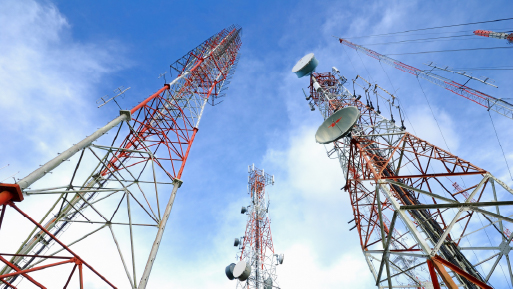
Telecommunications CX performance in December reflects a relatively well-balanced operation where speed, scale, and customer sentiment are largely aligned. Customers are actively engaging, and service teams are responding and resolving issues within a reasonable timeframe.
The data suggests that while the category remains high-pressure, execution is holding steady. Customers appear to trust the system to respond and resolve without excessive friction.
KPI Snapshot
| KPI | Value |
| Follower Growth | 0.73% |
| Engagement Rate | 6.99% |
| Post Frequency (per day) | 4.9 |
| First Response Time (FRT) | 3 hours, 8 minutes |
| Average Resolution Time | 5 hours, 37 minutes |
| Net Promoter Score (NPS) | 27.47% |
| Average Daily Tickets | 254 |
| Average SLA Response Time | 14 minutes |
| Average SLA Resolution Time | 31 minutes |
CXM Diagnosis
Ticket volumes are high, reflecting constant dependency on support for service continuity. Despite this pressure, response and resolution times remain relatively tight, indicating effective routing and agent utilization.
Actual response and resolution exceed SLA targets, but not to a degree that is damaging sentiment. The positive NPS suggests customers judge the experience by outcome reliability rather than strict adherence to SLA speed.
What’s Driving Customer Frustration or Sentiment
Telecom customers typically reach out for service disruptions, billing issues, or plan changes. These interactions are often urgent, but customers are willing to tolerate short waits if resolution is clear and dependable.
Healthy engagement combined with positive sentiment indicates that customers feel heard and supported. Frustration is likely contained due to predictable outcomes and consistent communication.
CX Priorities for Next Month
Reducing the gap between SLA targets and actual response times would further strengthen confidence, especially during peak volume periods.
Maintaining resolution quality while managing high ticket inflow should remain a priority. Any degradation in clarity or consistency would quickly surface in sentiment.
Final Word
December’s Telecommunications CX performance shows a system under pressure but in control. Customers are engaged, outcomes are reliable, and trust is holding. Sustained discipline in execution will be key to keeping sentiment stable at scale.
