 Skip to content
Airlines Industry Monthly CXM Report: February 2026

February performance in Airlines reflects a sector operating under persistent operational pressure. Engagement remains strong, and airlines are responding to passengers quickly, yet customer sentiment remains deeply negative. The gap between operational responsiveness and passenger satisfaction continues to define the industry’s CX landscape.
The data indicates that airlines are effectively managing inbound conversations, but many of the underlying issues passengers face remain tied to operational disruptions rather than communication speed.
KPI Snapshot
Metric | Value |
Follower Growth | 1.25% |
Engagement Rate | 7.96% |
Post Frequency (per day) | 3.39 |
Average First Response Time (FRT) | 1 hour, 9 minutes |
Average Resolution Time | 16 hours, 4 minutes |
Average Daily Tickets | 432 |
Net Promoter Score (NPS) | -47.87% |
Average SLA Response Time | 4 minutes |
Average SLA Resolution Time | 8 hours, 1 minute |
CXM Diagnosis
Ticket volumes remain high, reflecting the constant reliance passengers place on social and digital channels during travel disruptions. First response time is notably fast for a sector with such operational complexity, which helps reassure passengers that their concerns are being acknowledged.
However, resolution timelines extend significantly beyond SLA expectations. This indicates that many customer issues require coordination across multiple systems, including reservations, baggage handling, airport operations, and partner airline networks.
What’s Driving Customer Frustration or Sentiment
Airline passengers are particularly sensitive to disruptions such as delays, cancellations, baggage mishandling, and refund delays. Even when responses are quick, dissatisfaction grows if the underlying operational issue remains unresolved.
In many cases, the experience is shaped less by response speed and more by how clearly airlines communicate timelines and next steps during disruptions.
CX Priorities for Next Month
Improving resolution certainty will be critical. Providing clearer updates, transparent timelines, and proactive communication during disruptions can help rebuild passenger confidence even when operational constraints persist.
Airlines should also focus on reducing repeat contact by ensuring that passengers receive complete and definitive updates in their first interaction.
Final Word
February’s Airlines CX performance highlights the limits of responsiveness in a disruption-heavy environment. Quick replies are helping contain frustration, but long-term sentiment will only improve when operational resolution becomes more predictable and transparent for passengers.

Automobile Industry Monthly CXM Report: February 2026

February performance in Automobiles reflects a sector experiencing high customer engagement and heavy service demand. Brands are actively communicating with their audiences, and ticket volumes remain substantial, indicating that digital channels are becoming a primary interface for vehicle owners seeking assistance and information.
The data suggests that while engagement and interaction levels are healthy, operational follow-through continues to shape customer sentiment. Automakers and dealerships are responding at a reasonable pace, but resolution cycles remain influenced by service dependencies, dealer networks, and parts availability.
KPI Snapshot
Metric | Value |
Follower Growth | 1.3% |
Engagement Rate | 5.12% |
Post Frequency (per day) | 4.36 |
Average First Response Time (FRT) | 3 hours, 56 minutes |
Average Resolution Time | 15 hours, 47 minutes |
Average Daily Tickets | 522 |
Net Promoter Score (NPS) | 5.02% |
Average SLA Response Time | 44 minutes |
Average SLA Resolution Time | 4 hours, 39 minutes |
CXM Diagnosis
Ticket volumes are among the highest across industries this month, indicating that customers frequently turn to social and digital channels for support related to servicing, delivery updates, warranty questions, and product inquiries. Response times remain within a manageable range, allowing brands to acknowledge customer concerns before frustration escalates.
However, the gap between SLA expectations and actual resolution time suggests that many issues require coordination with external service ecosystems such as dealerships, service centers, and logistics partners. These operational dependencies often extend the time required to deliver a final outcome.
What’s Driving Customer Frustration or Sentiment
Automobile customers often engage with brands during high-value or high-stakes moments, including vehicle delivery delays, servicing concerns, spare parts availability, and warranty claims. Because vehicles represent a major purchase decision, expectations around transparency and accountability are significantly higher.
Even when brands respond promptly, dissatisfaction can grow if customers perceive delays in service scheduling, spare parts availability, or dealer follow-through.
CX Priorities for Next Month
Automobile brands should focus on tightening coordination between digital support teams and dealership networks. Faster alignment between online support and physical service operations can significantly reduce resolution cycles.
Providing clearer timelines for service updates, delivery tracking, and warranty processing can also reduce repeat contact and improve overall customer confidence.
Final Word
February’s Automobiles CX performance highlights a sector with strong engagement but operational complexity. Digital responsiveness is helping maintain customer dialogue, but long-term satisfaction will depend on how effectively brands connect online support with real-world service delivery.

Insurance Industry Monthly CXM Report: February 2026
February performance in Insurance reflects a sector with relatively low interaction volumes but noticeable pressure on service efficiency. Engagement levels remain healthy for the category, yet operational timelines indicate that many customer issues require extended processing and backend verification.
The data suggests that insurance providers are responding quickly to policyholders, but the journey from acknowledgment to resolution remains prolonged due to process complexity and regulatory requirements.
KPI Snapshot
Metric | Value |
Follower Growth | 0.36% |
Engagement Rate | 5.44% |
Post Frequency (per day) | 1.36 |
Average First Response Time (FRT) | 2 hours, 29 minutes |
Average Resolution Time | 1 day, 13 hours, 15 minutes |
Average Daily Tickets | 20 |
Net Promoter Score (NPS) | 0.14% |
Average SLA Response Time | 2 days, 6 hours, 2 minutes |
CXM Diagnosis
Ticket volumes remain low compared to other industries, which is typical for insurance where interactions are often tied to specific events such as claims, policy updates, or premium queries. First response times are relatively quick, helping reassure customers that their concerns are being acknowledged.
However, resolution timelines are significantly longer. Many issues in the insurance sector involve document verification, claims assessment, underwriting checks, and coordination with multiple internal teams, which naturally extends the resolution cycle.
What’s Driving Customer Frustration or Sentiment
Insurance customers generally reach out during critical moments such as claims processing, policy corrections, or coverage clarifications. These interactions often carry emotional weight, especially during accidents, medical situations, or financial disputes.
Even when communication is timely, delays in claim approvals, reimbursements, or policy adjustments can reduce overall satisfaction and keep sentiment neutral rather than strongly positive.
CX Priorities for Next Month
Improving transparency during the claims and policy servicing journey will be essential. Clear updates on documentation requirements, expected timelines, and claim status can significantly reduce repeat queries and customer anxiety.
Automating early verification stages and improving coordination between digital support teams and claims departments can also shorten resolution cycles.
Final Word
February’s Insurance CX performance reflects an industry where responsiveness is improving but resolution complexity remains a challenge. Strengthening transparency and streamlining claims workflows will be key to turning neutral customer sentiment into long-term trust.

Banking Industry Monthly CXM Report: January 2026
January performance in Banking & Finance shows heightened customer attention without a corresponding lift in confidence. Audience growth and engagement are strong, but customer sentiment remains decisively negative, pointing to unresolved trust issues rather than lack of visibility or reach.
The data suggests customers are watching, reacting, and engaging more than before. What they are not doing is leaving interactions reassured. This gap between attention and trust defines the month.
KPI Snapshot
| Metric | Value |
| Follower Growth | 2.41% |
| Engagement Rate | 8.35% |
| Post Frequency (per day) | 9.38 |
| Average Daily Tickets | 67 |
| Net Promoter Score (NPS) | -36.74% |
CXM Diagnosis
Customer demand is steady and manageable, with ticket volumes well within control. Visibility and content activity are high, as reflected in both follower growth and posting frequency.
Despite this, sentiment remains deeply negative. With no usable response or resolution time data to indicate operational delay, the issue likely sits in outcome quality, policy rigidity, or communication clarity. Customers are engaging, but they are not feeling helped.
What’s Driving Customer Frustration or Sentiment
Banking interactions often revolve around sensitive moments involving money, access, and compliance. In these situations, reassurance matters more than volume or presence.
High engagement suggests customers are actively seeking answers or escalation, not passively consuming information. When those interactions fail to deliver certainty or closure, dissatisfaction compounds quickly.
CX Priorities for Next Month
The priority should be improving resolution confidence. Clear explanations, stronger confirmation at closure, and reduced repeat contact will matter more than additional outreach or content volume.
There is also a need to audit common failure points where customers feel stuck or unheard. Fixing these moments will have a direct impact on sentiment without increasing operational load.
Final Word
January’s Banking & Finance CX performance shows high attention but low trust. Customers are engaged, but unconvinced. The path forward is not more activity, but better outcomes that leave customers confident the issue is truly resolved.

Consumer Packaged Goods (CPG) Industry Monthly CXM Report: February 2026

February performance in Consumer Packaged Goods reflects a category where customer engagement remains steady, but service responsiveness continues to lag behind expectations. Brands are seeing a consistent flow of customer conversations across digital channels, often tied to product availability, packaging concerns, and quality feedback.
The data suggests that while overall sentiment remains positive, slow response and resolution timelines may gradually impact customer confidence if left unaddressed.
KPI Snapshot
Metric | Value |
Follower Growth | 0.9% |
Engagement Rate | 3.73% |
Post Frequency (per day) | 1.54 |
Average First Response Time (FRT) | 1 day, 27 minutes |
Average Resolution Time | 3 days, 21 minutes |
Average Daily Tickets | 95 |
Net Promoter Score (NPS) | 34.42% |
Average SLA Response Time | 2 hours, 14 minutes |
Average SLA Resolution Time | 1 day, 21 hours, 31 minutes |
CXM Diagnosis
Ticket volumes remain moderate, indicating steady interaction between brands and consumers across social and digital channels. However, first response times are significantly slower than SLA expectations, suggesting operational bottlenecks or limited support coverage in digital care teams.
Resolution timelines are also extended, reflecting the complexity of addressing issues that often involve supply chain coordination, retailer dependencies, or internal product quality verification.
What’s Driving Customer Frustration or Sentiment
Consumers typically reach out to CPG brands regarding product defects, packaging issues, incorrect labeling, or availability concerns. While these issues may not always be urgent, customers expect brands to acknowledge and address them promptly.
The positive NPS suggests that customers ultimately feel satisfied with the outcomes of their interactions, but the journey to resolution appears longer than necessary.
CX Priorities for Next Month
Reducing response latency should be a primary focus. Faster acknowledgment of customer complaints or feedback can significantly improve the perception of brand responsiveness.
Brands should also explore more proactive engagement strategies, including product issue alerts and faster escalation processes for quality-related complaints.
Final Word
February’s Consumer Packaged Goods CX performance reflects a category with strong brand affinity but slower operational responsiveness. Maintaining customer trust will depend on improving response speed while preserving the quality of final resolutions.

Fast-Moving Consumer Goods (FMCG) Beverage Industry Monthly CXM Report: February 2026
February performance in FMCG reflects a category experiencing high customer engagement but struggling with operational responsiveness. Brands are maintaining strong visibility and content activity across digital platforms, yet customer support timelines indicate growing pressure on service teams.
The data suggests that while conversations and ticket volumes are increasing, response delays are beginning to influence overall customer sentiment.
KPI Snapshot
Metric | Value |
Follower Growth | 2.1% |
Engagement Rate | 8.53% |
Post Frequency (per day) | 5.31 |
Average First Response Time (FRT) | 2 days, 3 hours, 21 minutes |
Average Resolution Time | 1 day, 19 hours, 19 minutes |
Average Daily Tickets | 476 |
Net Promoter Score (NPS) | -2.91% |
Average SLA Response Time | 30 minutes |
Average SLA Resolution Time | 1 day, 11 minutes |
CXM Diagnosis
Ticket volumes are extremely high in February, indicating strong consumer interaction with FMCG brands across social and digital channels. These conversations often revolve around product availability, packaging concerns, quality complaints, and promotional queries.
However, the most notable gap appears in the first response time. At over two days on average, brands are significantly missing SLA expectations. This delay in acknowledgment may be contributing to the slight negative sentiment reflected in the NPS score.
What’s Driving Customer Frustration or Sentiment
FMCG customers typically expect quick responses to product-related concerns, particularly when issues involve quality defects, damaged packaging, or incorrect labeling. Delays in acknowledgment can quickly amplify dissatisfaction, especially when consumers feel their feedback is being ignored.
Even though resolution timelines are relatively shorter than response delays, the slow initial acknowledgment often shapes the overall perception of service.
CX Priorities for Next Month
Reducing first response time should be the immediate priority for FMCG brands. Faster acknowledgment of complaints and feedback can significantly improve the perceived responsiveness of customer care teams.
Brands should also consider implementing automated triage systems to quickly categorize and route high-volume product complaints to the appropriate teams.
Final Word
February’s FMCG CX performance highlights a category with strong consumer engagement but strained service responsiveness. Improving early response speed will be critical for restoring customer confidence and preventing sentiment from slipping further.

Real Estate Industry Monthly CXM Report: February 2026

February performance in Real Estate reflects a category experiencing strong audience engagement alongside moderate service demand. Property developers and real estate platforms continue to attract high digital interaction, often driven by inquiries around project launches, pricing updates, site visits, and ownership processes.
The data suggests that while engagement levels are high, the volume of direct service interactions remains relatively low, indicating that much of the conversation in this sector is discovery-driven rather than issue-driven.
KPI Snapshot
Metric | Value |
Follower Growth | 2.36% |
Engagement Rate | 17.55% |
Post Frequency (per day) | 3.35 |
Average First Response Time (FRT) | 6 hours, 57 minutes |
Average Resolution Time | 22 hours, 52 minutes |
Average Daily Tickets | 27 |
Net Promoter Score (NPS) | 13.67% |
Average SLA Response Time | 5 minutes |
Average SLA Resolution Time | 9 hours |
CXM Diagnosis
Customer ticket volumes remain relatively low compared to other industries, which aligns with the nature of real estate transactions, where interactions are typically tied to inquiries, documentation, or sales coordination rather than frequent service complaints.
Response times are moderate, allowing brands to acknowledge queries within a reasonable timeframe. However, resolution cycles extend close to a full day, often reflecting the need to coordinate with sales teams, project managers, or legal documentation processes.
What’s Driving Customer Frustration or Sentiment
Customers in the real estate sector often seek clarity around project timelines, pricing structures, payment plans, and site visit scheduling. These conversations require accurate information and coordination across multiple internal teams.
When communication delays occur, they can create uncertainty for potential buyers who are evaluating significant financial decisions.
CX Priorities for Next Month
Real estate brands should focus on improving information flow between digital engagement teams and on-ground sales representatives. Faster internal coordination can significantly reduce resolution timelines for common buyer inquiries.
Proactive updates around project milestones, construction progress, and pricing transparency can also help reduce repetitive customer queries.
Final Word
February’s Real Estate CX performance highlights a sector where strong engagement is driving customer conversations. Maintaining responsiveness and improving information transparency will be essential for converting digital interest into confident purchase decisions.

Gaming Industry Monthly CXM Report: February 2026

February performance in Gaming reflects a sector with extremely high customer interaction and community-driven engagement. Gaming brands continue to see intense activity across digital channels, often driven by gameplay issues, account queries, in-game purchases, and community discussions.
The data suggests that while engagement levels remain very strong, the volume of customer conversations is placing significant pressure on support operations.
KPI Snapshot
Metric | Value |
Follower Growth | -0.15% |
Engagement Rate | 17.07% |
Post Frequency (per day) | 3.63 |
Average First Response Time (FRT) | 3 hours, 13 minutes |
Average Resolution Time | 4 hours, 32 minutes |
Average Daily Tickets | 1779 |
Net Promoter Score (NPS) | -33.45% |
CXM Diagnosis
Ticket volumes in the gaming industry remain exceptionally high, reflecting the always-active nature of gaming communities. Players frequently reach out regarding server outages, gameplay bugs, account access issues, payment problems, and moderation concerns.
Response and resolution times are relatively fast considering the scale of conversations. Support teams appear capable of addressing issues quickly, but the sheer volume of interactions indicates a constant operational load.
What’s Driving Customer Frustration or Sentiment
Gaming communities are highly vocal and emotionally invested. Players often react strongly to gameplay disruptions, unfair advantages, server instability, or account bans. Even short outages or bugs can quickly escalate across social channels.
The negative NPS suggests that while support teams are responding quickly, players may still feel frustrated by recurring technical issues or perceived unfair gameplay experiences.
CX Priorities for Next Month
Reducing repeat complaints around technical issues should be a key priority. Proactive communication about server maintenance, bug fixes, and patch updates can significantly reduce community frustration.
Gaming companies should also strengthen real-time community management to address issues before they escalate across social platforms.
Final Word
February’s Gaming CX performance highlights a sector defined by massive community interaction and constant operational pressure. Fast support responses help contain issues, but long-term sentiment will depend on improving gameplay stability and transparent communication with players.

Healthcare Industry Monthly CXM Report: February 2026
February performance in Healthcare reflects a sector where digital engagement continues to grow alongside steady service demand. Healthcare providers, hospitals, and health-tech platforms are seeing consistent interaction across digital channels as patients increasingly turn to social and online platforms for assistance, feedback, and information.
The data suggests that while service teams are maintaining reasonable response times, operational coordination across medical, administrative, and support functions continues to influence resolution timelines.
KPI Snapshot
Metric | Value |
Follower Growth | 2.78% |
Engagement Rate | 5.82% |
Post Frequency (per day) | 4.08 |
Average First Response Time (FRT) | 6 hours, 25 minutes |
Average Resolution Time | 11 hours, 47 minutes |
Average Daily Tickets | 151 |
Net Promoter Score (NPS) | 15.57% |
Average SLA Response Time | 31 minutes |
Average SLA Resolution Time | 1 day, 4 hours |
CXM Diagnosis
Ticket volumes remain moderate, reflecting ongoing patient interactions around appointment scheduling, billing clarifications, prescription support, and service feedback. Healthcare organizations are responding within a reasonable timeframe, helping maintain patient confidence during initial contact.
Resolution timelines, however, are influenced by the need to coordinate across departments such as administration, insurance processing, diagnostics, and clinical staff. These dependencies often extend the time required to fully resolve patient concerns.
What’s Driving Customer Frustration or Sentiment
Patients typically reach out to healthcare providers during critical or sensitive moments. Issues around appointment availability, billing transparency, treatment clarification, and insurance coordination can quickly influence the perception of care quality.
Even when response times are acceptable, delays in administrative processing or follow-ups can impact the overall experience.
CX Priorities for Next Month
Healthcare organizations should focus on improving internal coordination between digital support teams and hospital operations. Faster information flow between administrative staff, billing teams, and clinical departments can significantly reduce resolution timelines.
Providing clearer communication around appointment updates, insurance approvals, and billing processes can also help reduce repeat patient queries.
Final Word
February’s Healthcare CX performance highlights a sector where digital engagement is steadily increasing. Maintaining patient trust will depend on improving operational coordination while ensuring that patient queries are addressed with both speed and clarity.

Hospitality Industry Monthly CXM Report: February 2026

February performance in Hospitality reflects a sector where customer engagement remains strong and service responsiveness is largely keeping pace with expectations. Hotels, travel operators, and hospitality brands continue to see active interaction across digital channels as guests increasingly rely on social platforms for assistance, feedback, and service queries.
The data suggests that hospitality brands are maintaining a responsive support environment, helping sustain high levels of customer satisfaction across digital interactions.
KPI Snapshot
Metric | Value |
Follower Growth | 1.02% |
Engagement Rate | 10.14% |
Post Frequency (per day) | 1.67 |
Average First Response Time (FRT) | 2 hours, 45 minutes |
Average Resolution Time | 10 hours, 32 minutes |
Average Daily Tickets | 27 |
Net Promoter Score (NPS) | 67.36% |
Average SLA Response Time | 8 minutes |
CXM Diagnosis
Ticket volumes remain relatively low compared to many other industries, indicating that hospitality interactions are often tied to specific service moments such as booking support, reservation changes, property inquiries, or service feedback rather than frequent operational complaints.
Response and resolution times are both relatively efficient, allowing hospitality brands to address guest concerns within a reasonable timeframe. This responsiveness plays an important role in maintaining guest confidence during pre-stay, in-stay, and post-stay interactions.
What’s Driving Customer Frustration or Sentiment
Guests typically reach out regarding reservation confirmations, cancellation policies, room preferences, or service feedback. Because hospitality experiences are closely tied to travel plans and special occasions, customers often expect quick and clear responses.
The strong NPS score indicates that guests generally feel satisfied with the way brands are handling their queries and concerns, suggesting that support teams are delivering positive outcomes once interactions begin.
CX Priorities for Next Month
Hospitality brands should continue strengthening real-time digital engagement, particularly during peak booking periods and travel seasons. Faster coordination between front-office teams, reservation systems, and digital support teams can further improve response consistency.
Proactive communication around booking confirmations, cancellation policies, and guest services can also reduce inbound support queries.
Final Word
February’s Hospitality CX performance highlights a sector where responsive communication and guest-centric service are helping maintain strong customer sentiment. Sustaining this momentum will depend on preserving service responsiveness while continuing to enhance the overall guest journey across digital channels.

Online Travel Agencies Monthly CXM Report: February 2026

February performance in Online Travel Agencies reflects a sector navigating fluctuating customer sentiment while continuing to manage steady digital interaction volumes. Travel planning remains highly dependent on digital platforms, leading customers to frequently engage with brands for booking support, cancellations, refunds, and itinerary changes.
The data suggests that while interaction volumes remain manageable, delays in response and resolution timelines may be influencing overall customer satisfaction.
KPI Snapshot
Metric | Value |
Follower Growth | 0.3% |
Engagement Rate | 1.08% |
Post Frequency (per day) | 3.62 |
Average First Response Time (FRT) | 1 day, 4 hours, 13 minutes |
Average Resolution Time | 1 day, 9 hours, 18 minutes |
Average Daily Tickets | 70 |
Net Promoter Score (NPS) | -66.23% |
Average SLA Response Time | 5 hours, 38 minutes |
Average SLA Resolution Time | 14 hours, 7 minutes |
CXM Diagnosis
Online travel agencies continue to see steady customer interaction volumes, driven by booking confirmations, flight or hotel changes, cancellation requests, and refund processing inquiries. These conversations often require coordination with airlines, hotels, and third-party providers, which can extend resolution timelines.
Response times appear significantly slower than expected for a customer-facing industry where travel decisions are often time-sensitive. This delay in acknowledgment may be contributing to growing customer frustration.
What’s Driving Customer Frustration or Sentiment
Travel customers often reach out during high-stress moments such as last-minute cancellations, booking errors, itinerary changes, or refund delays. In these situations, quick acknowledgment and transparent communication are critical.
The strongly negative NPS score suggests that customers may be experiencing difficulties during support interactions, particularly when issues involve third-party coordination or delayed refunds.
CX Priorities for Next Month
Reducing first response time should be a priority for online travel agencies. Faster acknowledgment of customer queries can significantly improve customer confidence, especially during urgent travel-related situations.
Improving transparency around booking policies, refund timelines, and partner coordination can also help manage expectations and reduce friction during customer interactions.
Final Word
February’s Online Travel Agencies CX performance highlights a sector where customer expectations remain extremely high due to the time-sensitive nature of travel. Improving response speed and streamlining issue resolution will be essential to rebuilding trust and improving overall customer sentiment.

Manufacturing Industry Monthly CXM Report: February 2026

February performance in Manufacturing reflects a sector with relatively low social engagement but steady operational support activity. Manufacturing brands often interact with customers, distributors, and partners through digital channels for product inquiries, technical assistance, service coordination, and order updates.
The data suggests a support environment where interaction volumes remain moderate and service responsiveness is generally stable.
KPI Snapshot
Metric | Value |
Follower Growth | 0.37% |
Engagement Rate | 0.32% |
Post Frequency (per day) | 2.78 |
Average First Response Time (FRT) | 8 hours, 41 minutes |
Average Resolution Time | 10 hours, 34 minutes |
Average Daily Tickets | 101 |
Net Promoter Score (NPS) | 55.93% |
Average SLA Response Time | 27 minutes |
Average SLA Resolution Time | 3 hours, 51 minutes |
CXM Diagnosis
Manufacturing interactions are typically less frequent on social platforms compared to consumer industries, which explains the relatively low engagement rate. However, the number of support tickets indicates that digital channels still play an important role for product-related inquiries and operational coordination.
Response and resolution timelines appear relatively balanced, allowing most issues to be addressed within the same day once interactions begin.
What’s Driving Customer Frustration or Sentiment
Customers and partners often reach out for product specifications, technical support, warranty inquiries, shipment updates, or service scheduling. These conversations frequently require internal coordination with engineering, logistics, or distribution teams.
The strong NPS score indicates that most interactions are leading to satisfactory outcomes, suggesting that support teams are effectively handling requests once they are received.
CX Priorities for Next Month
Manufacturing brands can benefit from strengthening digital knowledge resources such as product documentation, troubleshooting guides, and support portals to help reduce repetitive inquiries.
Improving proactive communication around order updates, product availability, and service scheduling can also help streamline customer interactions.
Final Word
February’s Manufacturing CX performance highlights a sector where customer support interactions remain steady and largely positive. Maintaining response consistency while improving proactive communication will help strengthen long-term customer relationships across the supply chain.

EdTech Industry Monthly CXM Report: February 2026
February performance in EdTech reflects a highly active digital environment where brands are seeing strong audience growth and exceptionally high engagement across social platforms. Education providers, learning platforms, and certification programs continue to attract attention as students increasingly rely on digital channels for information, support, and community interaction.
The data suggests an industry experiencing rapid audience expansion while maintaining a steady support structure capable of handling growing student interactions.
KPI Snapshot
Metric | Value |
Follower Growth | 6.99% |
Engagement Rate | 56.04% |
Post Frequency (per day) | 2.63 |
Average First Response Time (FRT) | 3 hours, 18 minutes |
Average Resolution Time | 13 hours, 52 minutes |
Average Daily Tickets | 103 |
Net Promoter Score (NPS) | 17.21% |
Average SLA Response Time | 2 minutes |
Average SLA Resolution Time | 8 hours, 43 minutes |
CXM Diagnosis
The EdTech sector is experiencing strong digital traction, reflected in significant follower growth and extremely high engagement levels. Students and learners frequently interact with brands for course inquiries, admissions support, platform assistance, and certification guidance.
Support teams are responding within a reasonable timeframe, given the interaction volume. Resolution timelines suggest that many issues require coordination between academic support, technical teams, and enrollment teams before closure.
What’s Driving Customer Frustration or Sentiment
Students often reach out with time-sensitive queries related to enrollment deadlines, course access, payment issues, and certification processes. These interactions tend to require clear explanations and structured follow-ups.
While engagement remains very high, the moderate NPS indicates that some learners may experience friction during support interactions, particularly when issues require multiple steps or backend intervention.
CX Priorities for Next Month
EdTech brands should prioritize faster resolution for technical platform issues and enrollment-related queries, as these are among the most time-sensitive student concerns.
Improving knowledge base resources, automated responses for common queries, and proactive communication around course timelines can significantly reduce support load and improve student satisfaction.
Final Word
February’s EdTech CX performance highlights a rapidly growing and highly engaged digital audience. Sustaining this momentum will depend on scaling support systems to match student demand while ensuring that learning experiences remain smooth, accessible, and responsive.

Q-Commerce Industry Monthly CXM Report: February 2026
February performance in Q-Commerce reflects an industry operating under intense customer expectations where speed, reliability, and service responsiveness play a critical role in shaping customer sentiment. Quick-commerce platforms continue to attract strong engagement as customers increasingly rely on rapid delivery services for everyday needs.
The data suggests a sector with high interaction volumes and strong audience engagement, but one where operational friction is beginning to impact overall customer perception.
KPI Snapshot
Metric | Value |
Follower Growth | 2.1% |
Engagement Rate | 16.74% |
Post Frequency (per day) | 3.29 |
Average First Response Time (FRT) | 6 hours, 50 minutes |
Average Resolution Time | 4 hours, 1 minute |
Average Daily Tickets | 380 |
Net Promoter Score (NPS) | -82.96% |
CXM Diagnosis
Daily ticket volumes are high, reflecting the fast-paced nature of quick-commerce operations where customers frequently reach out regarding order delays, missing items, delivery issues, and refund requests.
While resolution times appear relatively quick once issues enter the support pipeline, the slower first response time may be creating early frustration. In fast-delivery environments, even small delays in acknowledgment can significantly impact customer perception.
What’s Driving Customer Frustration or Sentiment
Customers using quick-commerce platforms typically expect immediate updates when issues occur. Delays in delivery, product availability mismatches, and refund processing are among the most common reasons customers reach out.
The extremely low NPS score indicates a high level of dissatisfaction, suggesting that operational challenges such as delivery reliability or inventory accuracy may be impacting the overall customer experience beyond just support interactions.
CX Priorities for Next Month
Reducing first response time should be a key focus for Q-commerce brands. Faster acknowledgment of customer queries can help reduce frustration even when operational issues take time to resolve.
Improving coordination between logistics, inventory systems, and customer support teams can also help reduce the frequency of order-related complaints.
Final Word
February’s Q-Commerce CX performance highlights an industry under significant pressure to meet extremely high customer expectations. Engagement remains strong, but improving early response speed and operational reliability will be critical to restoring customer confidence.

Retail Monthly CXM Report: February 2026
February performance in Retail reflects a sector with steady audience growth and consistent digital activity, but operational pressures appear to be affecting responsiveness across customer support channels. Retail brands continue to rely heavily on social platforms for customer engagement, product inquiries, and service interactions.
The data suggests a high-volume environment where customer interactions are frequent and expectations around quick service remain high.
KPI Snapshot
Metric | Value |
Follower Growth | 1.66% |
Engagement Rate | 3.37% |
Post Frequency (per day) | 4.3 |
Average First Response Time (FRT) | 1 day, 3 hours, 55 minutes |
Average Resolution Time | 2 days, 1 hour, 9 minutes |
Average Daily Tickets | 367 |
Net Promoter Score (NPS) | 11.84% |
Average SLA Response Time | 45 minutes |
Average SLA Resolution Time | 7 hours, 13 minutes |
CXM Diagnosis
Retail brands are managing a high number of daily customer interactions, with ticket volumes reflecting the scale of transactions, order-related inquiries, and product support requests typical in the industry.
However, both response and resolution times appear significantly longer than SLA expectations. This gap suggests that support teams may be operating under heavy load, potentially impacting the speed at which customer issues are acknowledged and resolved.
What’s Driving Customer Frustration or Sentiment
Retail customers frequently reach out regarding order tracking, delivery delays, product availability, return requests, and refund processing. These interactions often require coordination between logistics, warehouse operations, and customer service teams.
The moderate NPS score indicates that while many issues are eventually resolved, delays in response and closure may be contributing to some customer dissatisfaction.
CX Priorities for Next Month
Reducing first response time should be a key priority for retail brands, particularly during peak sales periods and promotional campaigns. Faster acknowledgment of customer concerns can significantly improve perceived service quality.
Improving coordination between fulfillment teams, order management systems, and support channels can also help reduce resolution delays for common issues such as returns and delivery complaints.
Final Word
February’s Retail CX performance highlights a sector managing large-scale customer interaction volumes. Strengthening response speed and improving backend coordination will be essential to maintaining customer trust as digital retail engagement continues to grow.

Apparel Industry Monthly CXM Report: February 2026

February performance in Apparel reflects a sector maintaining steady digital engagement while managing moderate levels of customer support activity. Apparel brands continue to use social channels as key touchpoints for product discovery, promotions, and customer assistance, especially around orders, sizing queries, and return requests.
The data suggests a relatively balanced support environment where interaction volumes are manageable, but response efficiency still plays an important role in shaping customer perception.
KPI Snapshot
Metric | Value |
Follower Growth | 0.96% |
Engagement Rate | 3.74% |
Post Frequency (per day) | 3.01 |
Average First Response Time (FRT) | 10 hours, 26 minutes |
Average Resolution Time | 8 hours, 56 minutes |
Average Daily Tickets | 51 |
Net Promoter Score (NPS) | 0.09% |
Average SLA Response Time | 5 hours, 38 minutes |
Average SLA Resolution Time | 14 hours, 7 minutes |
CXM Diagnosis
Ticket volumes remain relatively moderate compared to larger retail categories, reflecting a manageable scale of customer interactions. Most queries are tied to order updates, delivery timelines, product availability, size exchanges, and return processes.
While resolution times appear relatively efficient once conversations begin, the first response time indicates that customers may experience delays before their concerns are acknowledged. In fashion and apparel retail, where purchase intent is often time-sensitive, slower initial responses can influence customer sentiment.
What’s Driving Customer Frustration or Sentiment
Customers frequently reach out regarding order tracking, size availability, exchange requests, and return policies. Because apparel purchases often involve fit considerations and style preferences, customers expect quick and clear guidance when issues arise.
The near-neutral NPS score suggests that while most concerns are eventually addressed, the experience may not yet be strong enough to generate strong customer advocacy.
CX Priorities for Next Month
Reducing first response time should be a key focus for apparel brands. Faster acknowledgment of customer queries can significantly improve customer confidence and reduce frustration during the purchase or post-purchase process.
Improving proactive communication around shipping updates, exchange policies, and return timelines can also help reduce the number of support requests.
Final Word
February’s Apparel CX performance shows a sector with steady digital engagement and manageable support volumes. Improving response speed and strengthening proactive communication will be key to turning neutral customer sentiment into stronger brand loyalty.

Telecommunications (Telecom) Industry Monthly CXM Report: February 2026
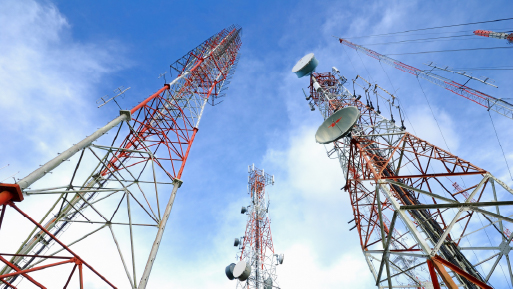
February performance in Telecommunications reflects a sector that continues to operate under steady customer demand with consistent digital interaction levels. Telecom brands remain highly active across social channels, both in terms of publishing frequency and managing customer conversations related to service usage, connectivity, and billing support.
The data suggests a moderately busy support environment where customer interaction volumes remain significant, but response systems are largely keeping pace with expectations.
KPI Snapshot
Metric | Value |
Follower Growth | 0.53% |
Engagement Rate | 4.08% |
Post Frequency (per day) | 5.18 |
Average First Response Time (FRT) | 3 hours, 14 minutes |
Average Resolution Time | 18 hours, 4 minutes |
Average Daily Tickets | 197 |
Net Promoter Score (NPS) | 0.64% |
Average SLA Response Time | 20 minutes |
Average SLA Resolution Time | 30 minutes |
CXM Diagnosis
Telecommunications brands continue to manage a steady stream of customer interactions driven by service usage queries, plan upgrades, billing clarifications, and occasional connectivity issues. Daily ticket volumes remain substantial, reflecting the always-on nature of telecom services.
First response time remains relatively strong for a sector handling high volumes of customer conversations. However, resolution timelines extend well beyond SLA expectations, indicating that many issues likely require backend coordination with technical or operational teams.
What’s Driving Customer Frustration or Sentiment
Customers often reach out for assistance related to network disruptions, billing discrepancies, data plan limits, and service activation requests. These issues frequently require investigation or technical intervention before they can be resolved.
The near-neutral NPS score suggests that while customer concerns are generally addressed, the experience may not consistently exceed expectations, particularly when issues require longer resolution timelines.
CX Priorities for Next Month
Reducing the gap between SLA expectations and actual resolution time should be a priority. Improving coordination between customer care, technical teams, and service operations can help accelerate issue closure.
Telecom brands can also benefit from proactive communication during service disruptions or maintenance events, helping reduce inbound complaints and improve customer confidence.
Final Word
February’s Telecommunications CX performance highlights a sector managing steady interaction volumes while maintaining reasonable responsiveness. Closing the gap between resolution timelines and SLA commitments will be key to strengthening customer trust and improving overall sentiment in the months ahead.
